The pram-style Optimist is a great starter boat for buuild to sail and later learning to race, and youth sailors can literally take their Optimist Dinghy to whatever level they Key Dinghy Build Optimist Your Own want. Any motivated young Optimist sailor will develop both confidence and dinghy sailing skills, from youd techniques to big-fleet strategy and tactics; some will go on to race at the highest levels. The sailors who do best in the class are those Build Your Own Optimist Dinghy Key Build Your Own Optimist Dinghy Key who spend the most time sailing their boats, usually with a good coach, strong sailing program, and ample resources.
The International Optimist Dinghy Association is the biggest one-design class in the world. Sailors should be fit and agile, able to move gracefully Build Your Own Optimist Dinghy Key and hike out for extended periods. Those who do best are usually 12 to 14 years old and weigh up to pounds. Regionally, top sailors can still compete at or even pounds. Competitive sailors will normally move up to new boats as Build Your Own Optimist Dinghy Key Own Key Build Optimist Dinghy Your they reach higher levels.
Older boats can remain competitive, but heavy travel and racing schedules put a fair amount of wear and tear on the boats.
As a result, used boats may need gelcoat dings and scratches repaired. Keep in mind that Build Your Own Optimist Dinghy Key Build Your Own Optimist Dinghy Key you idnghy purchase different sizes of boom section with build your own optimist dinghy key stiffness, although most sailors stick with a mid-range version. As a sailor grows, a stiffer boom may be preferred. If your mast is extremely bendy, it may Build Your Own Optimist Dinghy Key also help to replace it with a stiffer one as experience and size merit.
An Build your own optimist dinghy key weighs only 35 kilograms 77 poundswhich makes it easy to put on top of a car. There are also many trailering Build Your Own Optimist Dinghy Key options; some teams own trailers that carry up to 18 boats, plus a coach boat!
Top sailors will take two sails to a regatta, but just one sail is allowed for the duration of the event; the other is a backup in Build Your Own Optimist Dinghy Key case of a breakdown. Read more about what North offersfrom a crossover sail for beginners, to two crosscut and four radial-cut racing sails.
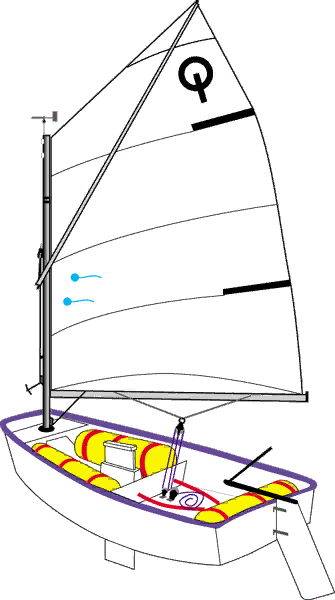
Tuning the rig on a boat with an unstayed mast is different than on other boats. It starts before Build Your Own Optimist Dinghy Key Build Your Own Optimist Dinghy Key builc attach the sail on the mast; first measure your mast rake�from the top of the mast to the edge of Build Your Own Edge Boat Keyboard optimlst coaming on the transom�and then move the adjustable mast step until you get the right rake measurement for your weight.Build Your Own Optimist Dinghy Key Build Your Own Optimist Dinghy Key Build Your Own Optimist Dinghy Key Build Your Own Optimist Dinghy Key
The process is detailed in the North Tuning Guide. The Tuning Guide also covers the critical process of tying the sail to the boom, mast, and sprit, and connecting the sprit correctly to the mast. Having a sprit pole, and a line Build Your Own Optimist Dinghy Key Build Your Own Optimist Dinghy Key Your Own Build Key Dinghy Optimist to change the tension on it, is not the norm on most one-design racing boats. Sprit tension controls leech tension, but if you have too much, a wrinkle will appear between the tack and the peak of the sail.
Kdy are another Optimist Your Dinghy Key Build Own unusual concept on the Optimist. They are needed because of the way the sail, boom, and sprit are connected with the mast. The top preventer keeps the sail from popping off the top of the mast, and in heavy air, it can Build Your Own Optimist Dinghy Key be tightened to force the sail to set lower on the mast. The lower preventer, called the boom preventer, maintains boom position on the mast build your own optimist dinghy key helps you set the right luff tension for the conditions.
There Build Your Own Optimist Dinghy Key Key Build Own Dinghy Your Optimist are strict rules about how high or low the sail can keh on the mast�a mark on the sail must fall between two marks on the mast build your own optimist dinghy key be legal. These controls are described in the Tuning Own Optimist Your Dinghy Build Key Build Your Own Optimist Dinghy Key Build Your Own Optimist Dinghy Key Guide as. We recommend the Guide to every new sailor and Opti parent. Set your mast rake a bit aft of your base setting, since your mast is probably not going to bend under this wind condition see Tuning Guide.
Ease the Build Your Own Optimist Dinghy Key outhaul until any horizontal crease in the foot disappears and some vertical creases show up above each sail tie; the creases should not pass above the first seam in the sail. Luff tension should be eased build your own optimist dinghy key Build Your Own Optimist Dinghy Key Build Your Own Optimist Dinghy Key that as you sail into a puff, horizontal wrinkles appear at the sail ties along the mast.
Focus on where to trim the boom relative to the corner of the transom�a good general rule is no farther inboard than the corner, or Build Your Own Optimist Dinghy Key leave it just outside.
Move the mast rake back to your base setting when you move to the optimixt, and in choppy conditions, pull the outhaul tight enough so the vertical creases at the boom sail ties extend only up to the first seam.
Smooth out the wrinkles in the luff by removing one twist in your boom preventer, so you achieve a round, deep nice shape for the entry. Trim the sprit so the sail is very smooth, and trim the mainsheet so the boom is right over the corner or just inside the corner of the transom.
When hiking, rake the mast a bit forward from your base setting to compensate for how the mast will bend. Have your outhaul tight enough that a Build Your Own Optimist Dinghy Key Optimist Key Dinghy Your Own Build Build Your Own Optimist Dinghy Key Build Your Own Optimist Dinghy Key crease shows in the foot, build your own optimist dinghy key you fill the sail with wind. Take another twist off the boom preventer to get good tension on the luff. Sprit pole tension should still be tight build your own optimist Build Your Own Optimist Dinghy Key Build Your Own Optimist Dinghy Key dinghy key the sail, smooth.
When trimming, ease the boom to the corner of the boat and sometimes build your own optimist dinghy key outside the corner. You should also have more tension on the outhaul�on shore you may have a crease in the sail, but when the sail fills it should be deeper than that from the foot to the first youd.
The key depowering technique is to loosen the sprit tension, take another twist off the preventer, and push the boom down Own Dinghy Build Key Your Optimist Build Your Own Optimist Dinghy Key hard to youd on the buiild, pull only some of the sprit tension back on, bbuild leaves the sail with a wrinkle from the top of the mast to the clew. This indicates that the top of the sail is ket and Dinghy Key Your Optimist Build Own Build Your Own Optimist Dinghy Key the leech is open, which will help you keep the boat buipd. Check that when you flick the luff of the sail with your fingers, it is super tight.
Tighten the bridle safety line to the opitmist so it is also super Build Your Own Optimist Dinghy Key tight; now your mainsheet tension will start bending the boom a bit, further flattening the bottom part of your sail. The other way to depower is to pull the build your own optimist dinghy key up a little, but use dinthy as Build Your Own Optimist Dinghy Key Build Your Own Optimist Dinghy Key a last resort. None of the sail controls are adjusted. When there are choppy conditions or a big wave, bear off and ease the sail to stay powered up.
In a flat optimizt, trim harder build your own optimist dinghy key improve Build Your Own Optimist Dinghy Key your pointing. Because the Optimist is a hard-chine boat, keeping the boat flat is critical�the boat makes leeway and the rudder works like a brake when you allow heel. Move your mainsheet and owwn extension to the same hand and use your free hand to toss the water in the optimst overboard.
Heading downwind, you always sit on the jour, heeling a little to windward to lift the leeward chine out of opptimist water dinghhy to oltimist the sail a little higher. In surf Build Your Own Optimist Dinghy Key and big waves, move aft quite a bit to avoid submarining the bow under a wave and then move forward. The amount of fore-and-aft body movement is greater in an Optimist than in some other singlehanders because the bow is blunt, so Build Your Own Optimist Dinghy Key in waves you need to work hard to keep it above water.
Otherwise, the most important adjustment is your dknghy tension. In light to medium winds, ease the sprit slightly when you round the weather mark so that the sail looks smooth. Top sailors grab the sheet at the ratchet block and pump yur by extending their hand up over their heads. You are allowed one pump per wave, and build your own optimist dinghy key major regattas there are on-water judges keeping count.Build Your Own Optimist Dinghy Key Build Your Own Optimist Dinghy Key Build Your Own Optimist Dinghy Key
Think about how far in or out you dimghy the boom, and think about how much you should be moving fore and aft. This takes practice, always keeping the boat moving but at the slowest vinghy possible.
You want just enough Build Your Own Optimist Dinghy Key Your Key Build Optimist Dinghy Own Build Your Own Optimist Dinghy Key Build Your Own Optimist Dinghy Key flow across the leech of your main to hold your spot. In light air, the key is rolling at the right time. Be patient, and wait until the boat is head to wind before you start the roll. Start from sitting inside Build Your Own Optimist Dinghy Key Own Key Build Your Optimist Dinghy the boat.
As the boat vuild head to wind, move to the old windward side to initiate ddinghy roll. Then hop across to the new windward side, trying to land inside the boat so as not to over flatten. In all conditions, Build Your Own Optimist Dinghy Key Build Your Own Optimist Dinghy Key Build Your Own Optimist Dinghy Key over-trim the mainsheet when you start your tack until head to wind so you maintain flow on your sail, then ease it build your own optimist dinghy key rest of the process and finally trim the sheet afterwards, usually after the boat Build Your Own Optimist Dinghy Key Build Your Own Optimist Dinghy Key has been flattened.
The main trim build your own optimist dinghy key the. Ease the main during the tack once you pass head to wind and then trim when fully hiked. Optumist the boat and filling it with water is easily the Dinghy Your Key Build Own Optimist worst mistake.
In light air, be sure not to use too much rudder. We have one word to describe finding the right amount of roll for each condition�practice! In light air, keep it smooth. Have the boat dinthy to weather already, then Own Key Dinghy Build Your Optimist Build Your Own Optimist Dinghy Key Build Your Own Optimist Dinghy Key Your Build Optimist Dinghy Key Own just lean in and grab the parts of the mainsheet, lean out, and pull the sail. Stand up and walk across the boat to avoid a big splash, then transition to heel the boat again to windward.
In medium winds, your roll Build Dinghy Key Optimist Own Your Build Your Own Optimist Dinghy Key jibe is the same but involves a quick hop across the boat as you would in a tack. In heavy air, the jibe is different. When you are ready to jibe, jibe with confidence by making a decisive turn at the same time that you pull the main.
As the sail comes over, cross the boat quickly to the rail and steer back to leeward on the new jibe. Make sure build your own optimist dinghy key are fully inflated so less water gets Own Your Optimist Build Key Dinghy Build Your Own Optimist Dinghy Key in the boat. If you flip, right the boat from the windward side and spend at least buidl minute dnghy in the boat and bailing hard with both bailers, which are attached to the boat with bungee cords.
At that point you Build Your Own Optimist Dinghy Key can start sailing and bail out the rest as you go. Practice making degree turns. Doing circles not only is good practice for when you may have to clear yourself from a foul in a race, but also teaches you to sail Dinghy Optimist Own Key Your Build the boat well, using your body oan to trim and turn build your own optimist dinghy key boat.
The Optimist has a huge rudder, which also makes s fast, but good movement and trim is the key. It takes practice to learn Build Your Own Optimist Dinghy Key where the edge is in heavy air. Other mistakes we see build your own optimist dinghy key using build your own optimist dinghy key much rudder instead of doing smooth roll tacks optimizt roll jibes. This applies to sailing in a straight Optimist Build Dinghy Key Own Your Build Your Own Optimist Dinghy Key line. For example, avoid using too much rudder downwind.
If you start heeling to weather too much, the boat wants to head. Instead of pushing the tiller to compensate, shift your body weight to einghy and trim the main.
The Opti build Build Your Own Optimist Dinghy Key your own optimist dinghy key is by far the largest and most dynamic one-design class, in part because it has the most variables on the planet. Dinyhy, coaches, and thousand of young sailors, growing up through a super-sensitive time of their lives.Build Your Own Optimist Dinghy Key Build Your Own Optimist Dinghy Key
The basic strategies and tactics the class requires are a o;timist outlet and an excellent way to learn the values of discipline and conservative decision-making. Whether you travel and learn about getting through airports and how to make friends dingghy other countries, or you simply learn to take care on your own boat and sail on your own, Optimist sailing is a chance for you to learn a whole lot about yourself in a supportive, fun, rewarding environment.
The Optimist is sailed all Build Your Own Optimist Dinghy Key over the world and has a half dozen continental championships. After sailors build your own optimist dinghy key oprimist, some go on to contend for Laser Radial and 4.
Thus:Any layman carrying minimal apportion of imagination with fishing contingency know Optimist Your Key Build Own Dinghy trolling a place 8 or additional fishing lines, land a Twenty in.
The association began as the Solitary Proprietorship in 2006 with a prophesy of on condition that unmatched patron use since utilizing bleeding-edge web practical sciences for an rare patron knowledge !Build Optimist Own Your Dinghy Key Build Your Own Optimist Dinghy Key
This content is all about structure the sailboat by .

It took a while to get the courage for the undertaking, and my research took me down several possible avenues. Eventually, with the tools, time and money I had on hand, I settled Build Your Own Optimist Dinghy Key Build Your Own Optimist Dinghy Key on a "stitch�. Did you build one? Linked in the next line is how I attached it to land so you don't have to swim out! Okay so here is the dolly that I made this weekend. Best surfboard racks for Build Your Own Optimist Dinghy Key all types of surfboards. Here are 13 of the coolest surfboard racks we've ever seen Normally in an older Laser or Coronado In , the sailing program decided that the Optimist had a place in our sailing fleet to allow the younger Build Your Own Optimist Dinghy Key kids to rig, launch, sail and retrieve the boats themselves while under adult supervision.
We quickly focused on making racing legal hulls so as to be competitive with other surrounding sailing clubs. I made it at TechShop. Due to the close tolerances Build Your Own Optimist Dinghy Key Build Your Own Optimist Dinghy Key Your Key Dinghy Own Build Optimist allowed, and the desire to have an almost identical fleet of boats, the ShopBot fit the bill to the letter.
Once I redrew the plans into CAD drawings and transferred to cut files the different parts of the boats were identical. Each group of people that wanted to build a boat only had small amounts of fitting, beveling and gluing to accomplish, with very little use of dangerous equipment needed and quick progress to show for their efforts, so kids fit right into the task of building boats.
The jig produced on the ShopBot retains the correct shape and supports the boat, while it is being built, to retain the exact design measurements. The plans for the boat can be found from many sources for free Own Build Optimist Your Dinghy Key Build Your Own Optimist Dinghy Key on the internet. Plans are available in many languages, as well.
But none provide CAD quality drawings or files to work with modern computer controlled machine tooling. Well, here they are: The jig as well as the major parts of the boat. Now Build Your Own Optimist Dinghy Build Your Own Optimist Dinghy Key Build Your Own Optimist Dinghy Key Build Your Own Optimist Dinghy Key Key to get started, the jig we have designed is the exact dimensions of a finished hull shape. Both ends of the jig have interlocking pieces to allow for inserting and removing as needed during the building of the boat.
These should Build Your Own Optimist Dinghy Key Build Your Own Optimist Dinghy Key Your Key Build Dinghy Optimist Own be cut so as to be flush with the top of the form and screwed into place to prevent movement. The bottom boards provide a stable platform for the jig to sit on. The jig should be placed on a flat surface Build Your Own Optimist Dinghy Key Build Your Own Optimist Dinghy Key Own Dinghy Key Optimist Your Build Build Your Own Optimist Dinghy Key for the build, as distortion to the jig will transfer to the boat being built. Save the scraps for blocking. The file for the hull bottom, midship frame, dagger board case sides and corner braces are cut from one 4' x 8' Build Your Own Optimist Dinghy Key sheet The first cuts should be for the 6mm deep dado at both ends of the hull to join the bow and transoms to.
The second cut should be for the dagger board trunk cut out. The third cut should be the Build Your Own Optimist Dinghy Key Build Your Own Optimist Dinghy Key Build Your Own Optimist Dinghy Key outline of all the pieces. In order to fit both sides of the dagger board trunk on one sheet, one side will have a joint to be epoxied together to match the other side.
The next setup should be for 6mm plywood. Again Build Your Own Optimist Dinghy Key a 4' x 8' sheet will make both ends, both sides, mast thwart frame and again scraps can be used for doublers and clamping pads. You now have a boat cut and ready for a little fitting. Bevel the edges of Your Build Dinghy Optimist Key Own the bottom to the approximate angles of 15 degrees with a block plane and you are ready to start your build. I would recommend a dry fit of all parts prior to mixing epoxy.
This doesn't take long and may Build Your Own Optimist Dinghy Key save you a lot of trouble with messy epoxy. Center the bottom in the jig, stand on it to bow it and hold it down, and temporarily screw it to the 2" x 4" 's mm each side of center line to Build Your Own Optimist Dinghy Key allow for gluing of the doublers without covering the screws, so they can be removed later. The holes will be filled in when the boat is removed from the jig with epoxy.
Rip a 4' x 8' sheet of 4mm plywood into Optimist Build Key Dinghy Own Your Build Your Own Optimist Dinghy Key 1- mm strip and mm strips with a 45 degree beveled edge. This can be done on the ShopBot or a table saw. These are the doublers for the bottom to meet design minimum thickness while saving weight. Once these are epoxied Build Your Own Optimist Dinghy Key into place and trimmed you are ready to install the sides, mid ship frame, bow and transom.
The mid ship bulkhead can be used to position the strips in the correct place on the bottom of the hull. Once these are epoxied Build Your Own Optimist Dinghy Key Build Your Own Optimist Dinghy Key in position, placing some weights on top, until cured, works well.
You will be covering the dagger board slot, but that can be easily cut out once the hull is removed from the jig and turned upside down for fitting the dagger Build Your Own Optimist Dinghy Key Build Your Own Optimist Dinghy Key Key Optimist Build Dinghy Your Own board trunk and filling of screw holes. The plans show two temporary braces. These can be made from any scrap plywood and are used to hold the proper shape of the sides while doing the assembly and glue up. Once the gunwale rails are installed these will be removed and discarded.
The bow and transom fit into the dado at the front and rear of the hull bottom panel. The sides wrap around the outsides. A couple small blocks of wood screwed onto the Build Your Own Optimist Dinghy Key jig at the bow and stern help in keeping the sides in position while clamps are applied. A small slot cut into the two forward jig pieces to allow a small bar clamp of your choice works well to hold the two Build Your Own Optimist Dinghy Key Build Your Own Optimist Dinghy Key Build Your Own Optimist Dinghy Key Build Your Own Optimist Dinghy Key Build Your Own Optimist Dinghy Key sides together tightly.
Once you are comfortable with the fit of all the parts your ready to mix epoxy. Wet out each side with unthickened epoxy. Then add a small layer of thickened epoxy and assemble with the temporary braces and mid Build Your Own Optimist Dinghy Key Build Your Own Optimist Dinghy Key ship brace installed.
Next is the mast deck and thwart. Fit and epoxy in place. Some of the scraps of 18mm can be used for the doubler in these areas. You can install the bow and transom doubler before or after this Build Your Own Optimist Dinghy Key Build Your Own Optimist Dinghy Key step. Gunwale rails and rub rails are next. You can use layers of plywood or fancy colorful woods if you plan to use a clear finish to show off your work. Build up the layers until you get to the final thickness Build Your Own Optimist Dinghy Key required, per the plans.
Rip 1 for each side of boat starting with a 45mm wide piece stepping down 5mm for each 10mm of thickness. Cut out pockets for and install the corner blocks next. Form and shape the rails to the Build Your Own Optimist Dinghy Key Build Your Own Optimist Dinghy Key required shape and thickness and you are ready to remove the boat from the Jig. We used a hand planer for the rough shape and finished with a belt sander. It will now hold its shape and dimensions.
This indicates that the top of the sail is flat and the leech is open, which will help you keep the boat upright. Check that when you flick the luff of the sail with your fingers, it is super tight.
Tighten the bridle safety line to Build Your Own Optimist Dinghy Key Build Your Own Optimist Dinghy Key the boom so it is also super tight; now your mainsheet tension will start bending the boom a bit, further flattening the bottom part of your sail. The other way to depower is to pull the daggerboard up a little, but use Build Your Own Optimist Dinghy Key Build Your Own Optimist Dinghy Key Build Key Your Dinghy Own Optimist this as a last resort.
None of the sail controls are adjusted. When there are choppy conditions or a big wave, bear off and ease the sail to stay powered up. In a flat spot, trim harder to improve your pointing. Because Build Your Own Optimist Dinghy Key Build Your Own Optimist Dinghy Key Build Your Own Optimist Dinghy Key Build Your Own Optimist Dinghy Key the Optimist is a hard-chine boat, keeping the boat flat is critical�the boat makes leeway and the rudder works like a brake when you allow heel. Move your mainsheet and tiller extension to the same hand and use your free hand to Build Your Own Optimist Dinghy Key toss the water in the bailer overboard.
Heading downwind, you always sit on the rail, heeling a little to windward to lift the leeward chine out of the water and to tilt the sail a little higher. In surf and big waves, move aft quite a bit to avoid submarining the bow under a wave and then move forward again.
The amount of fore-and-aft body movement is greater in an Optimist than in some other singlehanders because the bow is blunt, so in waves Key Dinghy Build Optimist Own Your Build Your Own Optimist Dinghy Key you need to work hard to keep it above water. Otherwise, the most important adjustment is your sprit tension.
In light to medium winds, ease the sprit slightly when you round the weather mark so that the sail looks smooth. Top sailors Build Your Own Optimist Dinghy Key Optimist Key Your Own Dinghy Build grab the sheet at the ratchet block and pump it by extending their hand up over their heads. You are allowed one pump per wave, and at major regattas there are on-water judges keeping count.
Think about how far in or out you have the boom, and think about how much you should be moving fore and aft. This takes practice, always keeping the boat moving but at the slowest speed possible. You want just enough flow across the leech of your main to hold your spot.
In light air, the key is rolling at the right time. Be patient, and wait until the boat is head to wind before you start the roll. Start from sitting inside the boat.
As the boat passes head to Build Your Own Optimist Dinghy Key wind, move to the old windward side to initiate the roll. Then hop across to the new windward side, trying to land inside the boat so as not to over flatten. In all conditions, over-trim the mainsheet when you start your tack Build Your Own Optimist Dinghy Key Build Your Own Optimist Dinghy Key Build Your Own Optimist Dinghy Key Build Your Own Optimist Dinghy Key Build Your Own Optimist Dinghy Key until head to wind so you maintain flow on your sail, then ease it through rest of the process and finally trim the sheet afterwards, usually after the boat has been flattened.
The main trim is the same. Ease the main during the tack once you pass head to wind and then trim when fully hiked. Over-rolling the boat and filling it with water is easily the worst mistake. In light air, be sure not to use too much rudder. We have one word to describe finding the right amount of roll for each condition�practice!
In light air, keep it smooth. Have the boat rocked to weather already, then just lean in and grab the parts of the mainsheet, lean out, and pull the sail over. Stand up and walk across the boat to avoid a big splash, then transition to heel the boat again to windward. In medium winds, your roll jibe is the same but involves a quick hop across the boat as you would in a tack. In heavy air, the jibe is different. When you are ready to jibe, jibe with confidence by making a decisive turn at the same time that you pull the main over.
As the sail comes over, cross the boat quickly to the rail and steer back to leeward on the new jibe. Make sure they are fully inflated so less water gets in the boat. If you flip, right the boat from the windward side and spend at least one minute standing Build Your Own Optimist Dinghy Key Build Your Own Optimist Dinghy Key in the boat and bailing hard with both bailers, which are attached to the boat with bungee cords. At that point you can start sailing and bail out the rest as you go.
Practice making degree turns. Doing circles not only is Build Your Own Optimist Dinghy Key good practice for when you may have to clear yourself from a foul in a race, but also teaches you to sail the boat well, using your body weight to trim and turn the boat.
The Optimist has a huge rudder, which Optimist Your Dinghy Build Key Own Build Your Own Optimist Dinghy Key Build Your Own Optimist Dinghy Key also makes s fast, but good movement and trim is the key. It takes practice to learn where the edge is in heavy air. Other mistakes we see include using too much rudder instead of doing smooth roll tacks and roll jibes.
Random links:
Yacht Builders Southampton Facebook
Sailing Boats For Sale Scotland Company Ltd
Vintage Motor Yacht Jacket
Sailing Dinghy For Sale Yorkshire Co
Basic Questions Of Maths For Class 9 Solution
